An official website of the United States government. Here's how you know.


 Countdown to




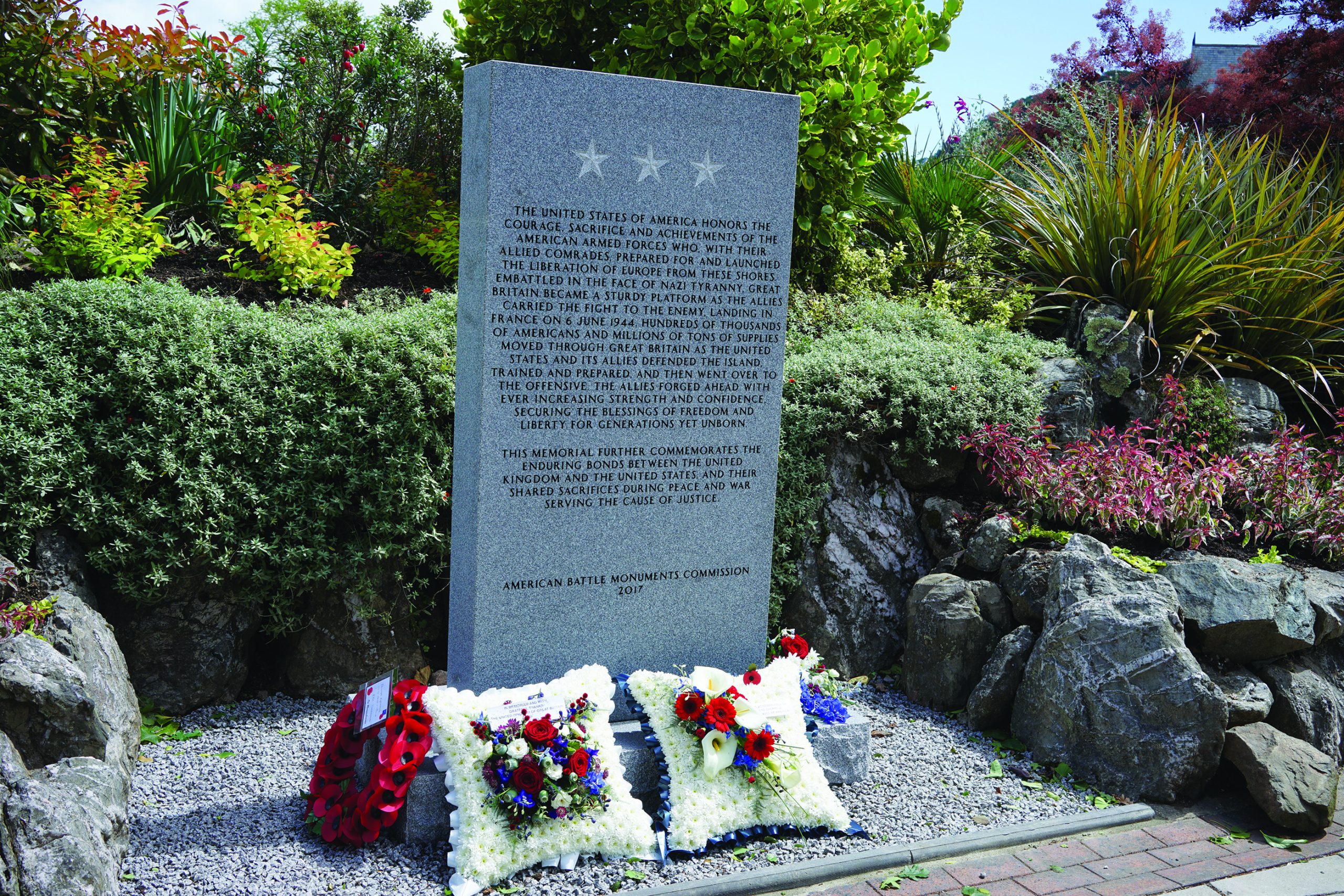
Dartmouth played a key role in World War II
Dartmouth was an important tactical and logistical center during the preparations for the Allied landings in Normandy that happened June 6, 1944. However, it was not the only port involved. Allied troops departed from eight different locations along the English coast. U.S. forces launched primarily from the southwest of England, while British and Canadian forces embarked from ports in the south and southeast, reflecting the scale and complexity of Operation Neptune, the naval phase of the D‑Day landings.
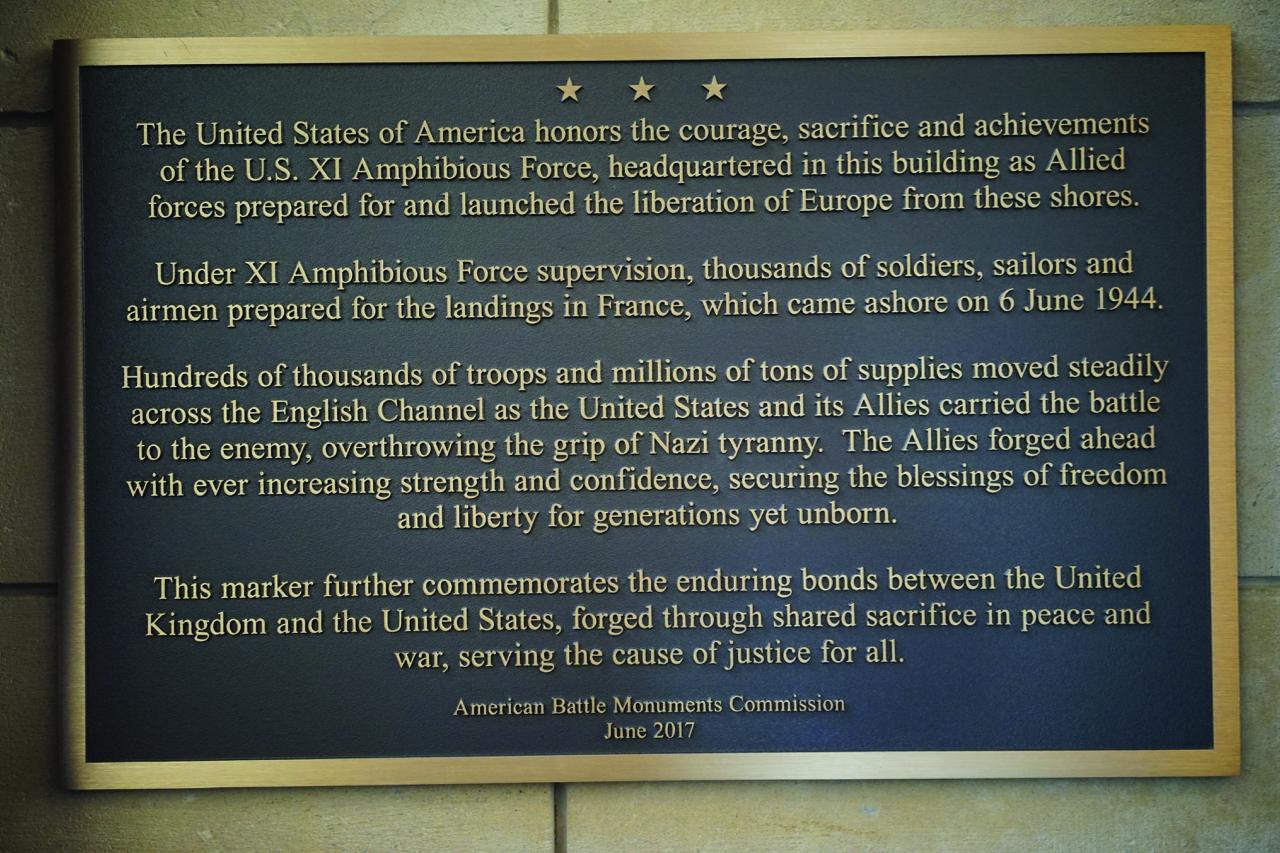
Part of a broader ABMC presence in Dartmouth
The American Battle Monuments Commission’s Dartmouth Monument is not the only ABMC marker in the town. A second plaque is located inside the Britannia Royal Naval College. This plaque commemorates the XI Amphibious Force, which was responsible for maintaining and operating more than 2,000 landing craft and vessels used in support of the Normandy landings. Together, these markers highlight Dartmouth’s sustained naval and logistical contributions to D‑Day.
A living place of commemoration
Each year on June 6, a commemorative ceremony is held at the Dartmouth Monument. The event is jointly observed by the Dartmouth mayor’s office and the commanding officer of the Britannia Royal Naval College, ensuring that the town’s role in the D‑Day preparations continues to be formally recognized and remembered.
The American Battle Monuments Commission sites are a constant reminder of Gen. John J. Pershing’s promise that, “time will not dim the glory of their deeds.”