


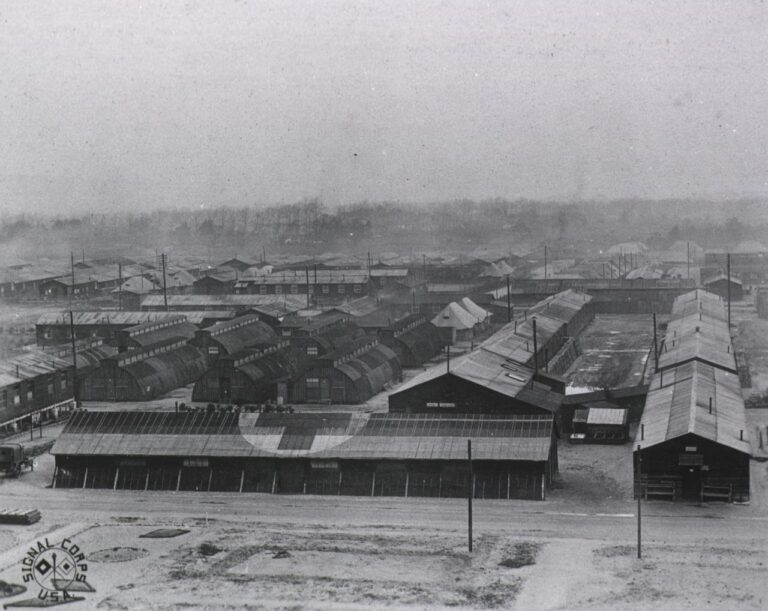
Remembering World War I: American Medical Units Mobilize Shortly…
Less than a month after the United States entered World War I, Maj. Harry L. Gilchrist with the U.S. Army Medical Corps received orders to move Base Hospital No. 4 to France.
Official websites use .gov
A .gov website belongs to an official government organization in the United States.
Secure .gov websites use HTTPS
A lock
or https:// means you've safely connected to the .gov website. Share sensitive information only on official, secure websites.
Less than a month after the United States entered World War I, Maj. Harry L. Gilchrist with the U.S. Army Medical Corps received orders to move Base Hospital No. 4 to France.
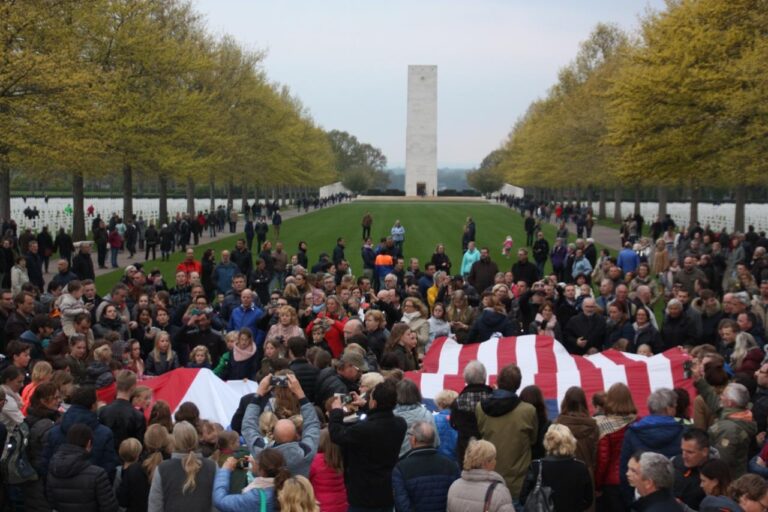
Netherlands American Cemetery commemorated Dodenherdenking, a national day of remembrance for the Dutch on May 4. Across the country, citizens observe two minutes of silence to remember both civilians and members of the military who died in war.
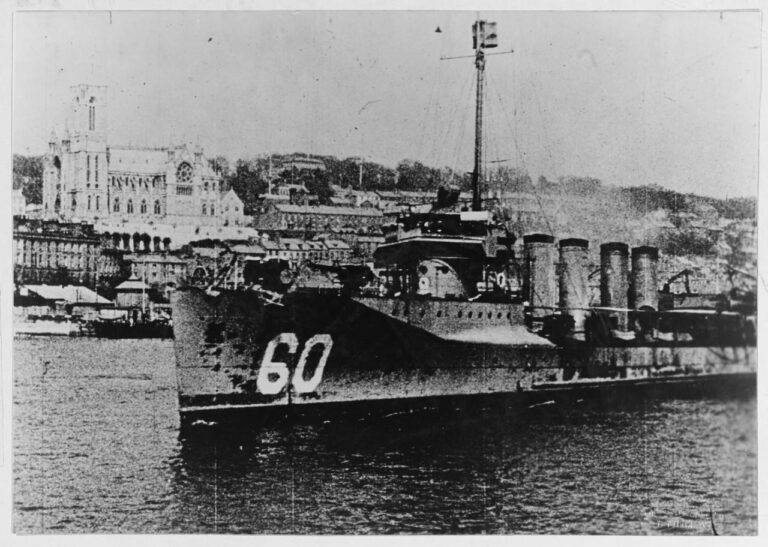
In the first month of American involvement in World War I, the U.S. Navy changed the strategic balance, not with its growing fleet, or daring operations, but through sound strategic thinking. The convoy system secured the passage of the American Expe…
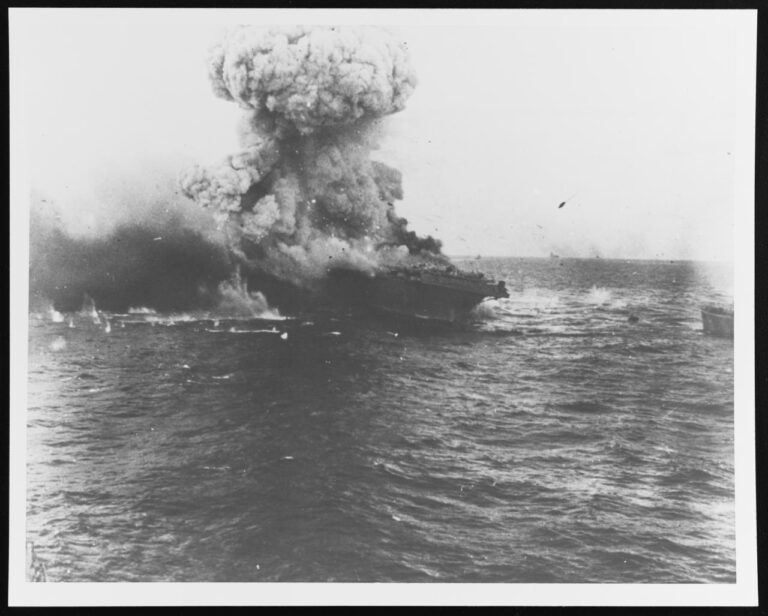
America’s involvement in World War II was so massive that it’s easy to forget lesser-known battles, especially those in the Pacific Theater of Operations. But every success, and even loss, contributed to a refinement of the Allied strategy to defeat…
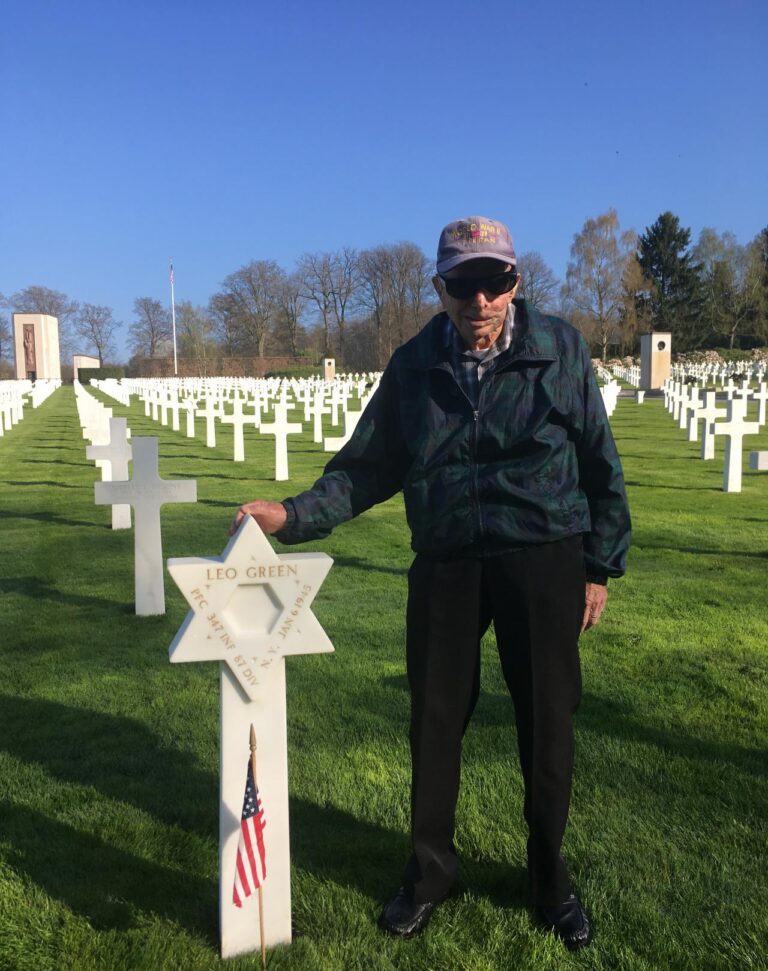
More than 72 years after Leo’s death, Jack returned to Luxembourg American Cemetery for the second time to honor his brother.

Two large maintenance projects began at Brittany American Cemetery at the end of October 2016. A new irrigation system will be installed throughout the fine lawn areas, and a new drainage system will be installed in the plot areas. Plots will be clos…
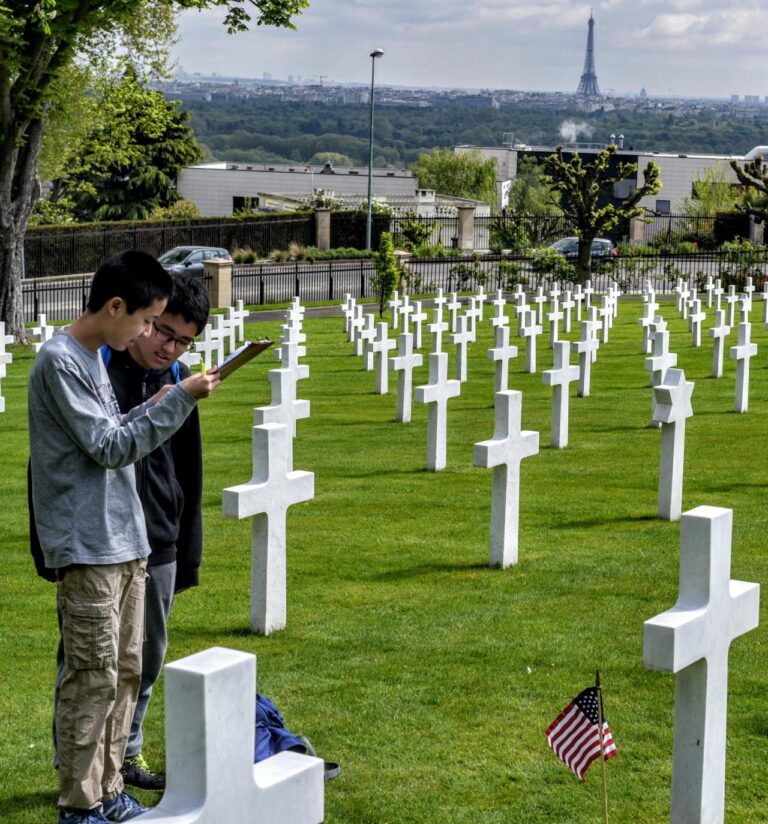
With more than 35,000 Americans buried or memorialized overseas from World War I, there are thousands of untold stories, and the students learned they would be uncovering some of these unknown, personal histories.

In the event of a government shutdown, the American Battle Monuments Commission (ABMC) will not be affected. In September 2016, Congress provided full-year funding to ABMC for FY 2017 (October 1, 2016 through September 30, 2017.).

During Memorial Day weekend 2017, ABMC sites throughout the world paid tribute to the men and women buried and memorialized overseas.
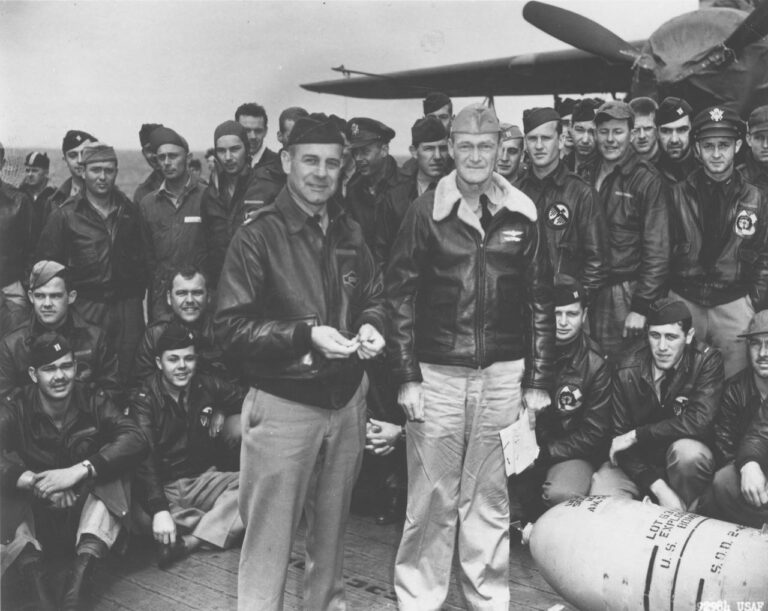
Up until a spring day in April 1942, about five months after the attack on Pearl Harbor, the Japanese likely felt a sense of invincibility against Allied forces. All of this changed on April 18, 1942.

ABMC.gov
official website of the American Battle Monuments Commission and a proud partner of The American Battle Monuments Foundation
Looking for U.S. government information and services? Visit USA.gov