An official website of the United States government. Here's how you know.


 Countdown to





With its compelling combination of solemn remembrance sites, architectural heritage, and nearby cultural destinations, the area around St. Quentin, France offers visitors a rich and meaningful experience. Whether your journey begins at Somme American Cemetery, Bellicourt American Monument, or in the Bay of Somme, the region provides a powerful look into the history of World War I and the enduring legacy of those who served.
First stop, Somme American Cemetery
Set amid the rural landscape northwest of St. Quentin, Somme American Cemetery stands as one of the most solemn and architecturally striking World War I memorial sites maintained by the American Battle Monuments Commission.
Located in the village of Bony, France, the cemetery is a powerful place to begin a journey through the remembrance landscapes of the Somme, with St. Quentin serving as the closest major hub for visitors. Visitors arriving at the cemetery will find a site rich in historical depth, architectural intention, and profoundly moving personal stories.
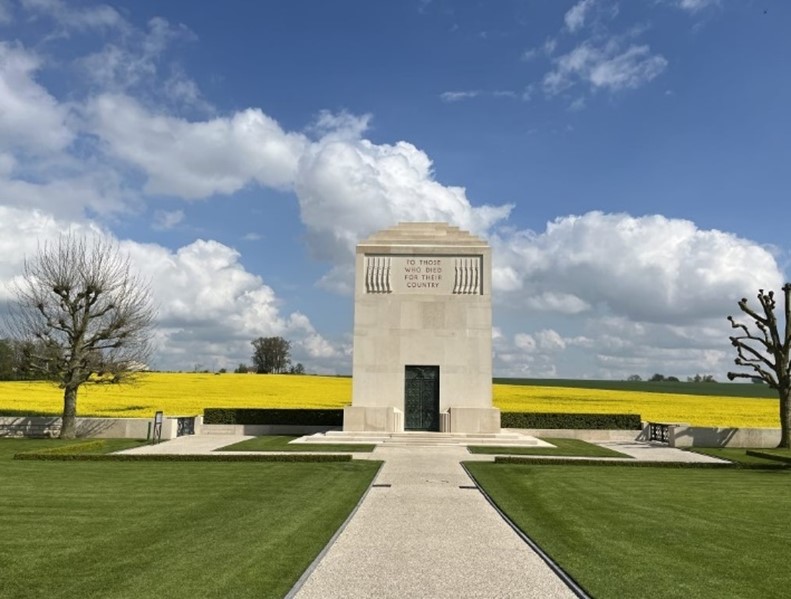
More than 1,800 service members rest at Somme American Cemetery. Most of these troops lost their lives while serving with American units attached to British armies or during operations near Cantigny in 1918. The Wall of the Missing lists more than 300 names, with a single rosette marking the identification of Pvt. Dalton Ranlet.
Architect George Howe designed the chapel. The exterior recalls fortified Romanesque churches of southern France, while the interior evokes Roman and Renaissance tombs, blending strength and reverence in its design.
It was the first ABMC cemetery to exhume remains for repatriation in late December 1920, when families were offered the choice to bring loved ones home; about 40% chose overseas burial. Five sets of brothers rest within its grounds, including Privates William and Felix Dunlap, whose relationship was confirmed only in 2022. One grave contains the remains of seven unknown service members recovered from a battlefield, the cemetery’s final burial in 1973.
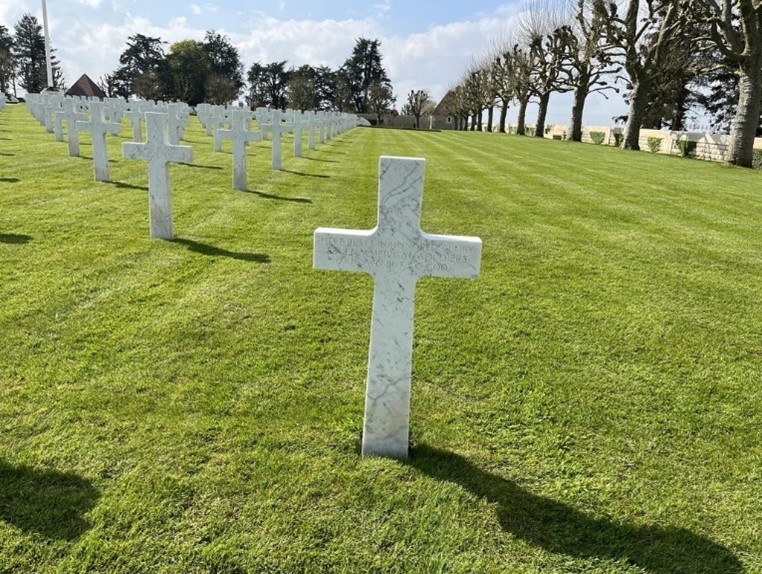
Several families represented here, including the Seibolds and Vedders, were instrumental in founding the Gold Star Mothers, connecting the site to a national legacy of remembrance.
Together, these details make Somme American Cemetery one of the most historically distinctive World War I sites in France.
Two other stops at ABMC sites near the cemetery
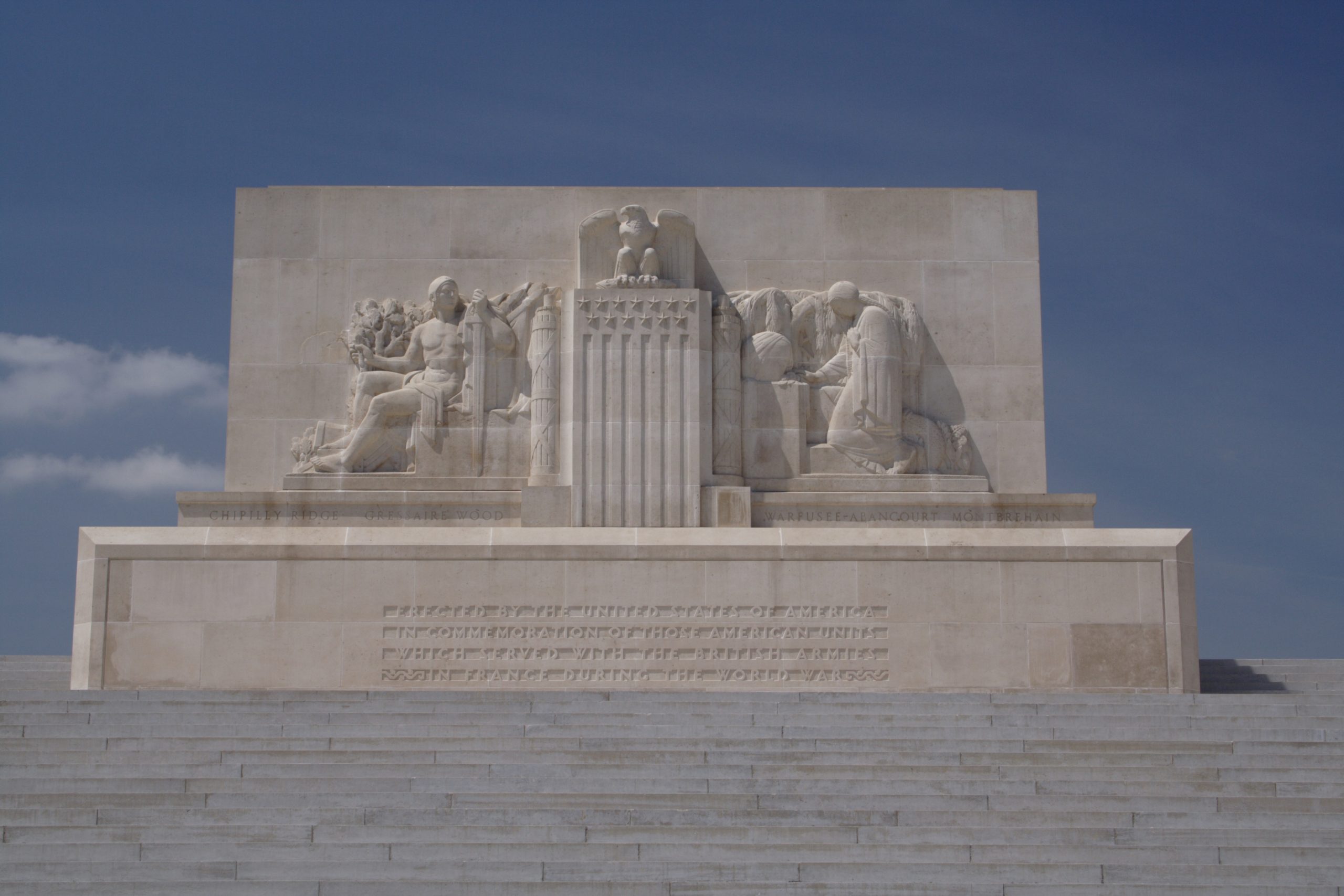
Just north of St. Quentin stands another major ABMC site that complements a visit to Somme American Cemetery as it is located just a few minutes away by car. Bellicourt American Monument, located above the St. Quentin Canal Tunnel, commemorates the actions of the 90,000 American troops who fought alongside British forces from 1917–1918. The monument stands nine miles north of St. Quentin and offers a strategic view of the battlefield where American units played a decisive role in breaching the Hindenburg Line. A large, engraved map outlines the American operations in the region.
A little further away, located an hour from St. Quentin, is the Cantigny American Monument.
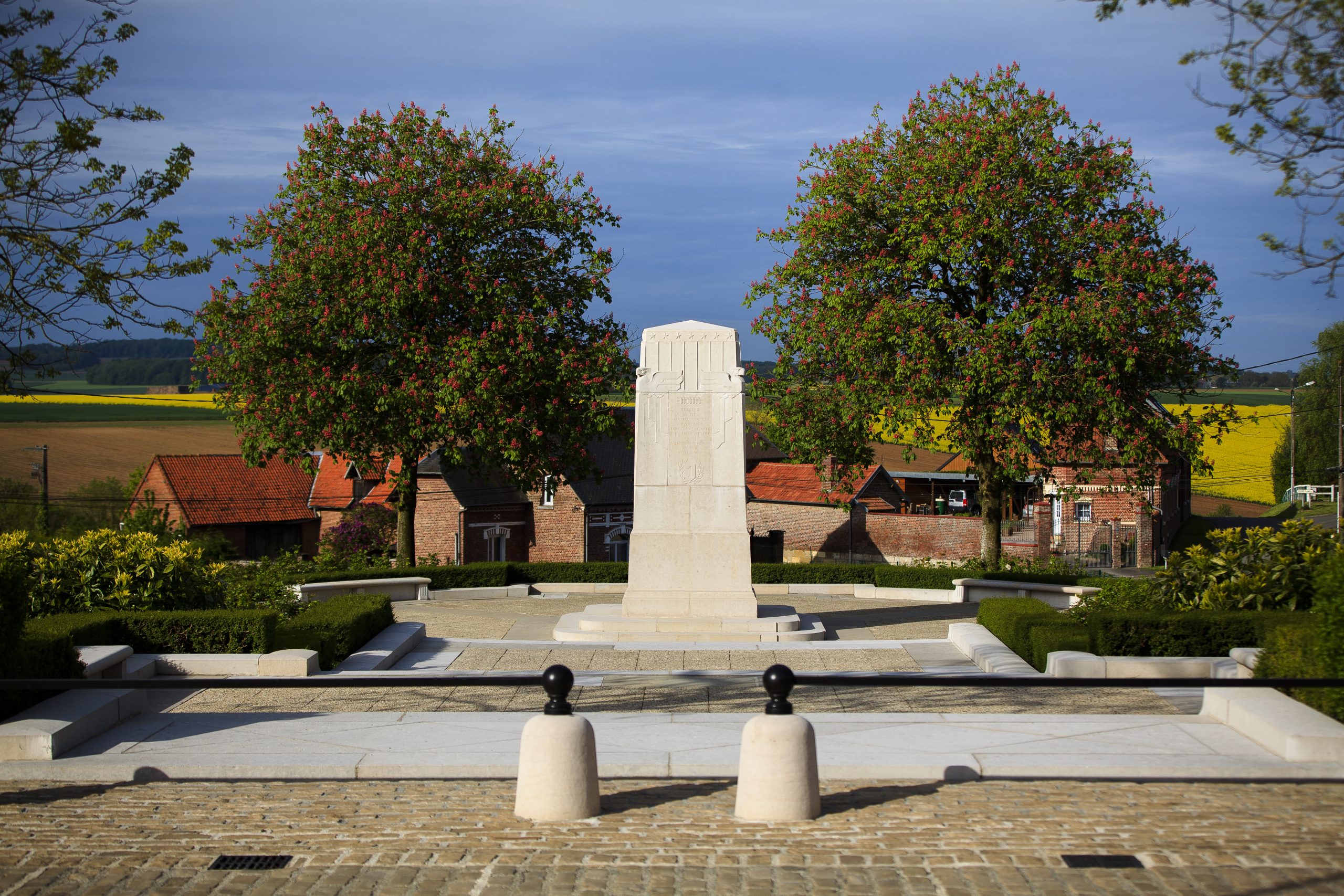
More time to spend in the area: what else to see near St. Quentin?
St. Quentin serves as the ideal base for travelers exploring both Somme American Cemetery and the wider remembrance landscape. The city and its surroundings provide a balance of WWI heritage, culture, and leisure.
The Somme region contains some of the most significant World War I memorials and battlefields in the world, all within easy reach of the cemetery, including:
Thiepval Memorial, the largest Commonwealth war memorial in the world, commemorating more than 72,000 missing soldiers of the Somme; Beaumont-Hamel Newfoundland Memorial, one of the most immersive WWI battlefield parks with preserved trenches; and Pozières Memorial, reflecting major Commonwealth sacrifice, located within easy reach of the city. The region around St. Quentin is also home to exceptional museums and cultural landmarks that help visitors understand the human, artistic, and architectural dimensions of World War I and its legacy. Whether exploring the area’s vivid underground museum that recreates trench life; diving into comprehensive historical wartime collections; admiring one of France’s greatest Gothic masterpieces—Amiens Cathedral—;or walking the ruins of; the 13th century castle built by Enguerrand III and destroyed by the German Army in 1917, you’ll find these sites provide depth, context, and a richer appreciation of the Somme’s enduring heritage.
For travelers who enjoy complementing their historical journey with moments of calm and natural beauty, the St. Quentin area offers an inviting range of landscapes to explore. From sweeping coastal estuaries to elegant gardens and charming harbor towns, these destinations provide a refreshing contrast to the region’s wartime heritage. Whether you are seeking quiet reflection, open-air vistas, or picturesque villages, the natural surroundings near St. Quentin deliver an experience that is both restorative and deeply memorable.
Bay of the Somme, a spectacular estuary known for its wildlife and views;
Les Jardins de Maizicourt, a beautifully landscaped garden ideal for a quiet break; and
Saint-Valery-sur-Somme, a historic harbor town perfect for a coastal excursion.