An official website of the United States government. Here's how you know.


 Countdown to




In honor of Freedom 250, the celebration of the United States of America’s birth as a nation, the American Battle Monuments Commission is highlighting America’s long arc of military service and sacrifice beginning with the American Revolution and continuing with ABMC’s mission today.
America’s 1st combat aviators
Before France formerly entered the American Revolution, the Marquis de Lafayette sailed to America to fight for freedom alongside George Washington’s colonial army. At the beginning of World War I, many Americans followed Lafayette’s example, volunteering to fight and drive ambulances in France before the U.S. officially entered the war in April 1917.
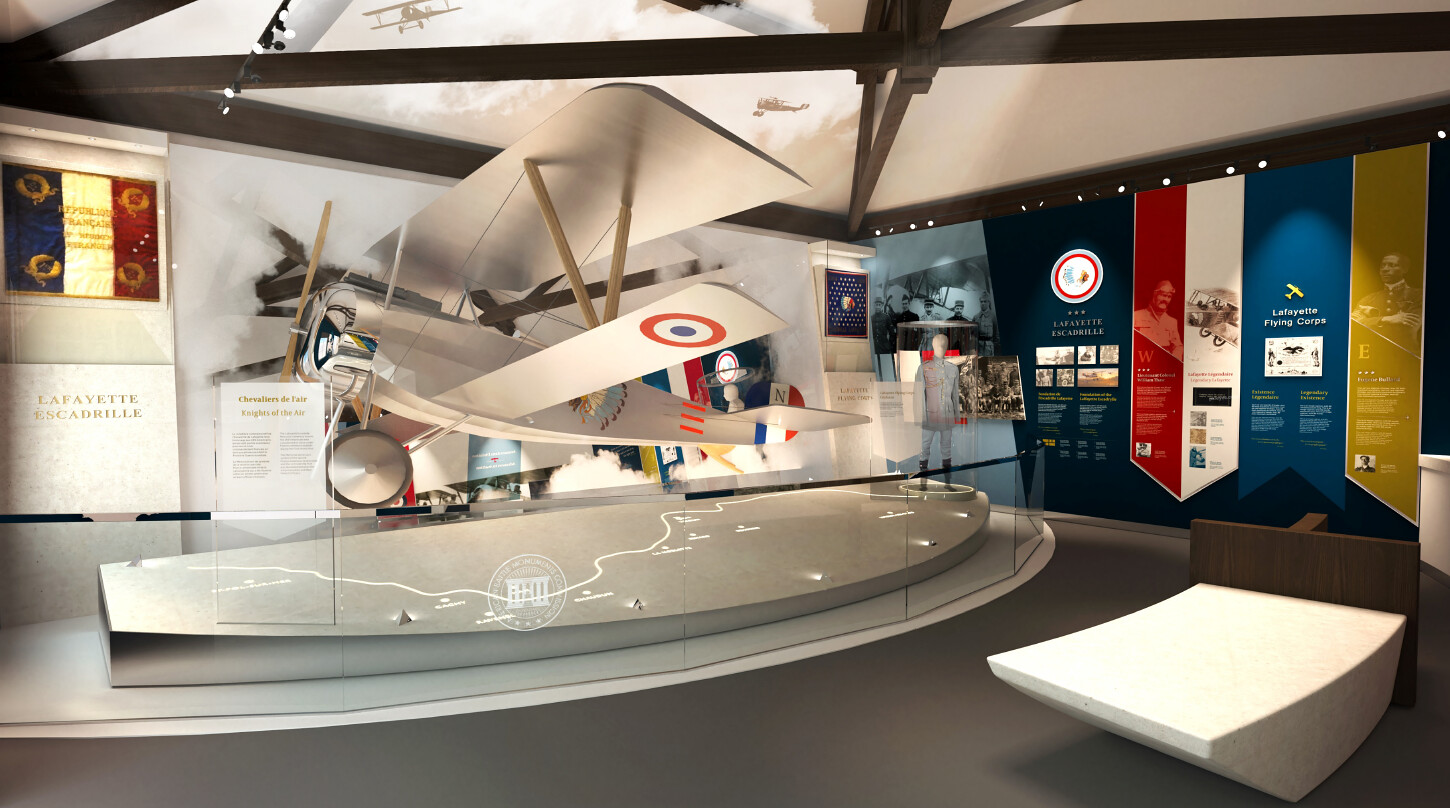
After advocating for an all-American squadron, seven young pilots were finally chosen to join a squadron or “Escadrille” under French command. The unit would grow and eventually bear the name L’Escadrille Lafayette.
According to “The Lafayette Flying Corps” author Dennis Gordon, “during its 23 months of combat flying, the squadron served over every sector of the Western Front. During that time its 38 American pilots and five French officers flew more than 3,000 combat patrols, scoring approximately 39 confirmed victories and as many as 100 unconfirmed victories over enemy aircraft.”
Americans from various background
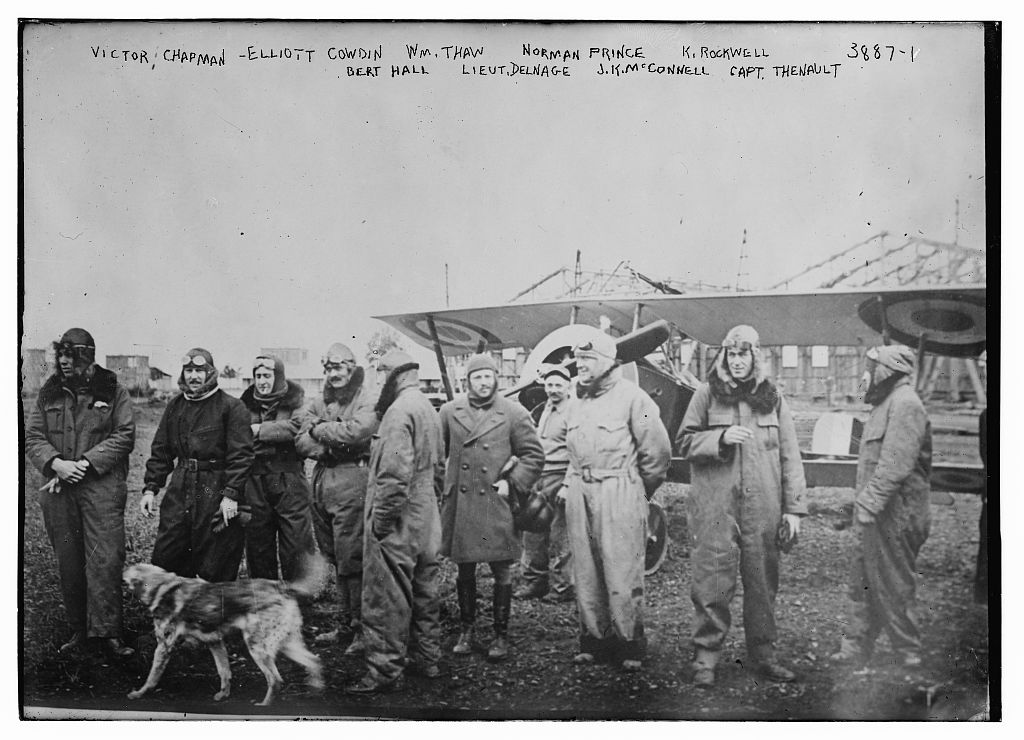
Outside of the original Lafayette Escadrille, more than 200 Americans flew with French squadrons during the course of the war. Men who were considered part of this elite flying group came from diverse backgrounds, including authors of fiction, a professional polo player, All-American football players, an FBI special agent, and a U.S. ambassador, to name a few. Collectively, all Americans in the French Air Service, known as the Service Aéronautique, were considered to be part of the Lafayette Flying Corps, an unofficial designation. Many of these aviators transferred to American squadrons once the U.S entered the war in April 1917.
Building a commemorative site
After the Armistice, Lafayette Flying Corps veterans worked with American and French leaders to build a memorial dedicated to those who flew with the Service Aéronautique. The Lafayette Escadrille Memorial Cemetery would also serve as a final resting place for many of those who lost their lives during the war.
Learn more: 5 things you may not know about Lafayette Escadrille Memorial Cemetery
This article is one in a series of articles highlighting ABMC’s ties to Freedom 250. Look for more at: Commemorating America’s 250th Anniversary at ABMC