Post-9/11 Gold Star Mothers pay homage to children’s legacies during WWI site tour
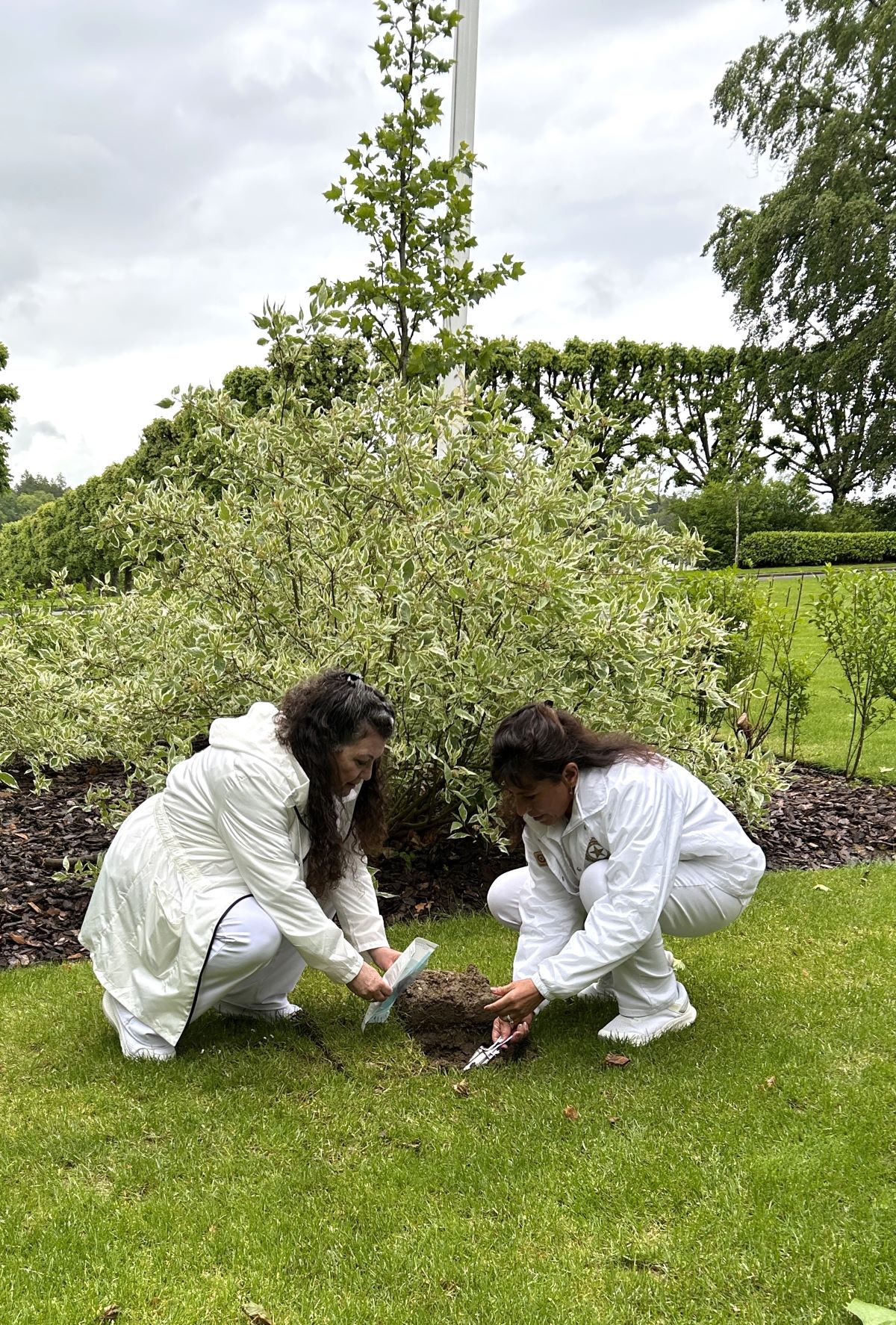
Five post-9/11 Gold Star Mothers from the U.S. visited American Battle Monuments Commission World War I cemeteries and memorials across France and Belgium May 10-17. The journey allowed the mothers to trace the footsteps of those Gold Star Mothers who came before them, to honor their children’s legacies of service, and to gather “sacred soil” from Europe’s WWI battlefields to restore a marker at Arlington National Cemetery.
Gold Star Mothers and the original pilgrimage
The term “Gold Star Mothers” originated in WWI when families displayed a banner with a blue star in front of their home, signifying they had a family member at war. If the family member died, the blue star was covered with a gold star.
After WWI, the U.S. government sent thousands of Gold Star Mothers overseas to visit the final resting places of their fallen loved ones.
The 2026 tour
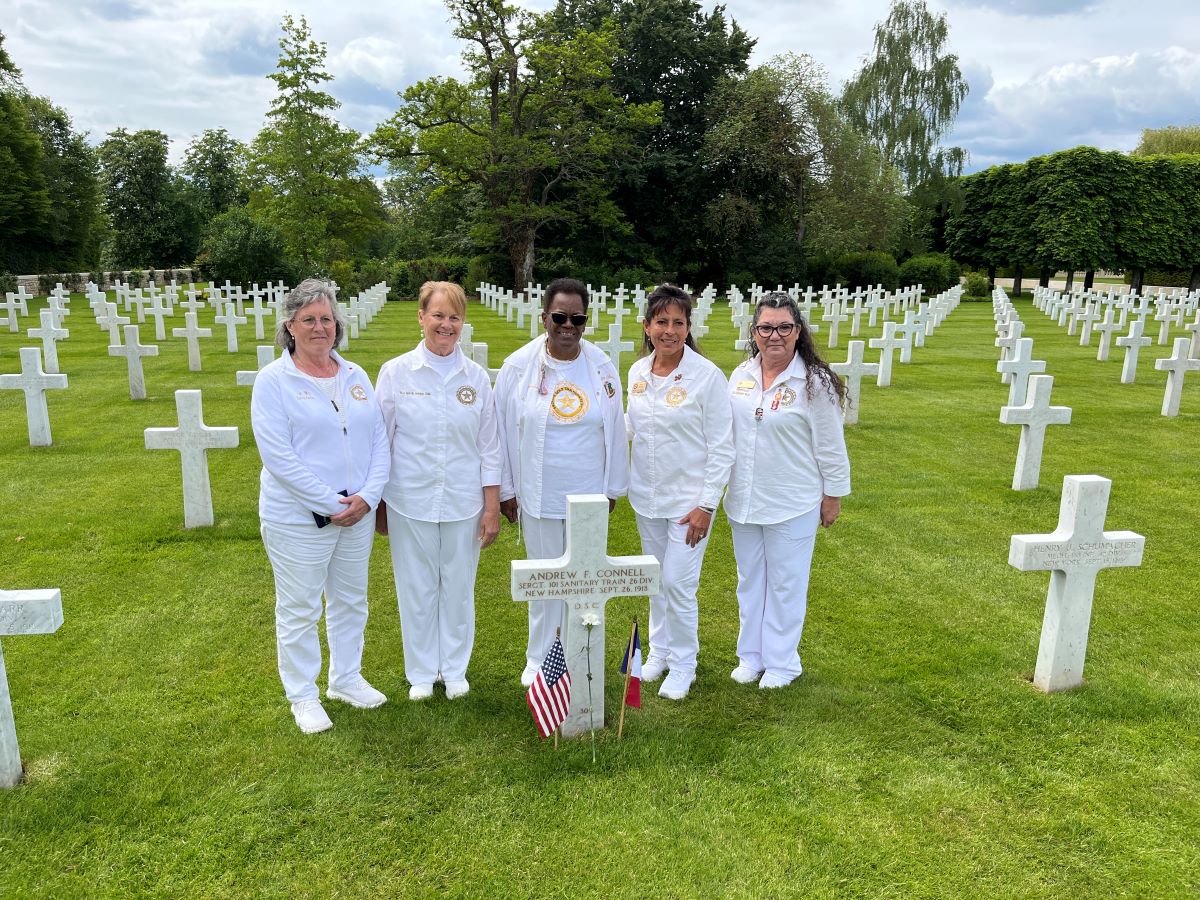
During this trip, the post-9/11 Gold Star Mothers were matched with a service member whose mother couldn’t participate in the original pilgrimage, making this the first time in more than 100 years they’ve been visited by a mom. The mothers “introduced” their children to the fallen WWI service members, creating a bond across the generations, between current and past Gold Star families.
“The grief and sacrifice of these mothers are identifiable human intangibles,” said Eric McKenzie, superintendent at Flanders Field American Cemetery. “Their presence today at our site is relevant to anyone who witnesses their stories.”
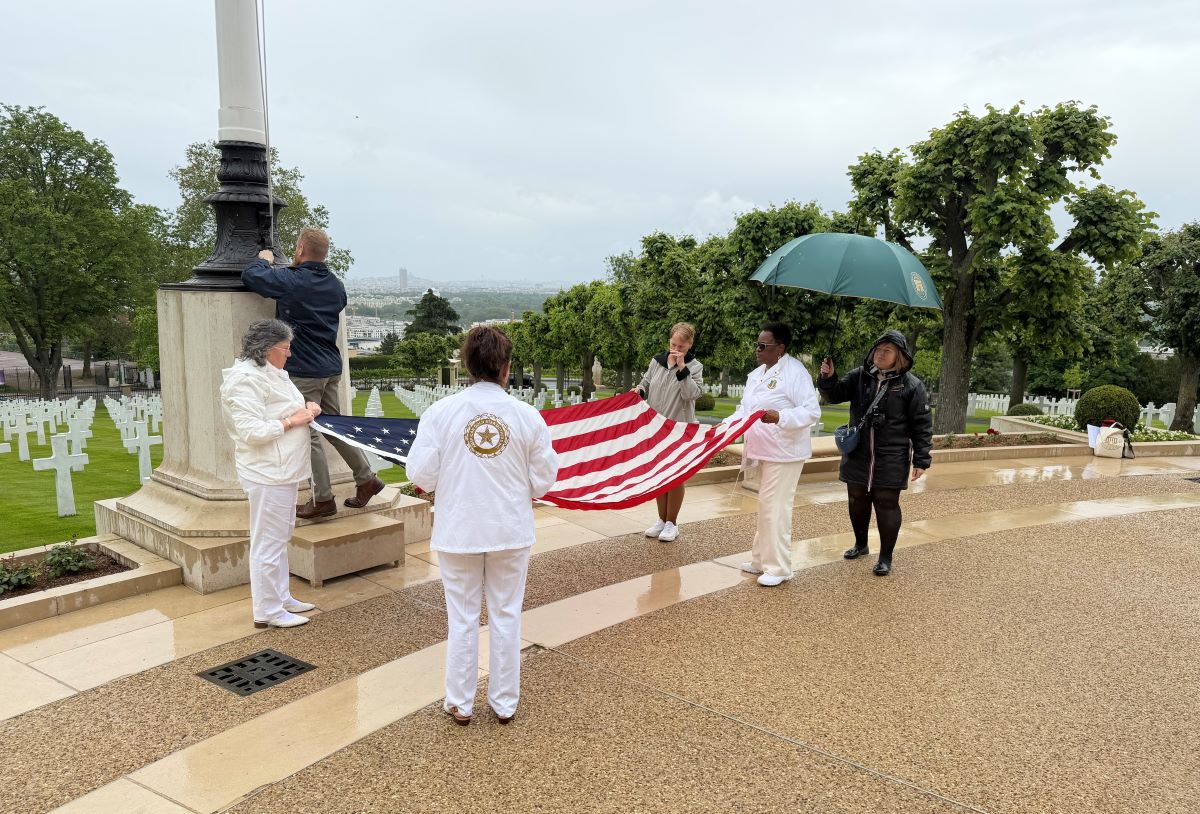
The Gold Star Mothers participating in the 2026 tour came from California, Kansas, New Mexico, New York, and Virginia. During the tour, they visited Lafayette Escadrille Memorial Cemetery, Suresnes American Cemetery, Cantigny Monument, Kemmel Monument, Flanders Field American Cemetery, Somme American Cemetery, Aisne-Marne American Cemetery and Belleau Wood Marine Monument, Chateau-Thierry Monument, Oise-Aisne American Cemetery, St. Mihiel American Cemetery, and Meuse-Argonne American Cemetery.
At each site, they visited the graves of service members whose stories they learned about prior to the trip. The group collected soil at each site, laid wreaths, and had the opportunity to speak with school groups and meet French mothers who also lost their children in war.
“Words often fail us, and our presence and acts of service toward these mothers is the best and most sincere communication of our great sympathy and unwavering devotion to them as individuals and as a nation,” said Stephen Munro, superintendent of Somme American Cemetery.
The Sacred Soil Marker
In 1927, French artist and combat veteran Gaston Deblaize sculpted the first Sacred Soil Marker, a small ceramic memorial containing soil from the battlefield at Verdun. Versions of the small marker were sold to raise funds to support veterans disfigured during the war. Deblaize created a larger marker, which was placed at Les Invalides, the world’s first veteran care facility, and a second marker was gifted to the United States and placed at Arlington National Cemetery by a delegation of French veterans and a descendant of the Marquis de Lafayette. Five additional markers were placed in France, including one on the Quiberon Peninsula dedicated to the U.S. Gold Star Mothers who made pilgrimages to their sons’ graves in the early 1930s.
Unfortunately, due to a flaw in the construction of the Arlington marker, it deteriorated and was removed in 1938. The soil gathered during the 2026 trip will be placed inside a new Sacred Soil Marker at Arlington National Cemetery in July 2026 as part of a trans-Atlantic effort to restore a long-lost monument honoring America’s fallen from WWI.
The trip across the American Battle Monuments Commission sites was funded by the American Battle Monuments Foundation in partnership with the United War Veterans Council, l’Office national des combattants et des victimes de guerre (The National Office for Combatants and Victims of War), and the American Gold Star Mothers, Inc.